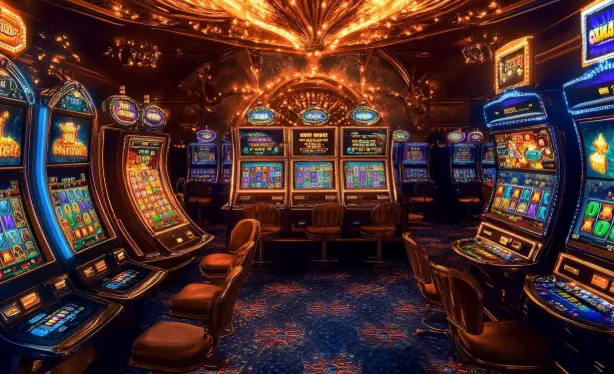
Why the Concept of a Slot Machine Being Due Is a Mathematical Impossibility
Every spin on a modern slot machine is an independent event governed by a random number generator, and no amount of prior spins, near-misses, or cold streaks can make a payout due. The RNG cycles through billions of outcomes per second, and the moment you press that button, it locks in a result that has zero memory of what came before. Anyone who tells you a machine is "overdue" is selling you a fairy tale wrapped in confirmation bias. 🎰
The core mechanism here is a random number generator that operates on a continuous loop, even when the machine sits idle. It does not track your losses. It does not feel pity. It does not owe you a dime. The probability of hitting a jackpot on spin number 10,000 is exactly the same as on spin number one.
The Cold Hard Math Behind the Illusion of Machine Cycles
Players love to believe in hot and cold cycles because the human brain craves patterns, but the math is brutally simple. A slot with a 95% RTP returns 95 cents per dollar wagered over millions of spins, and that figure is calculated across the entire lifecycle of the machine, not within your session. The house edge is baked into the paytable and the reel weighting, not into some hidden timer that decides when to release a payout.
When you see a machine that has gone 200 spins without a bonus, your brain screams "it is due," but the house edge does not care about your feelings. Each spin is a fresh contract with the same odds, and the machine has no mechanism to "catch up" on missed payouts. That is not how the firmware works, and it never will be.
Near-Misses and Losses Are Not Signals of an Upcoming Payout
Slot designers engineer near-miss displays to trigger the same dopamine response as a win, and this is precisely why players convince themselves a payout is imminent. Those two cherries and a blank space are not a sign that the machine is warming up. They are a psychological trap, and the payout percentage is unaffected by how close you came to a winning line.
The reels stop where the RNG tells them to stop, and the visual arrangement of symbols is just a presentation layer on top of a predetermined outcome. If you think a near-miss means the next spin is more likely to hit, you are falling for the oldest trick in the casino design playbook. 🎯

Why Observing Other Players Does Not Change Your Odds
Watching someone else lose on a machine and then swooping in because it must be "ready to pay" is a strategy built on pure superstition. The machine does not accumulate a debt to the player base, and there is no shared pool of luck that transfers between users. The RNG state at the moment you press the button is the only thing that matters, and it is completely oblivious to who played before you.
This is the same flawed logic that fuels the gambler's fallacy, and it costs real money every single day. The only thing you can control is your bet size and your discipline, and no amount of waiting for a machine to "heat up" will change the underlying probability structure.
The Only Real Way to Evaluate a Slot's Potential
The closest thing to a legitimate edge is understanding the published RTP and volatility of a specific game model, not guessing when a particular machine is ready to explode. High-volatility slots pay less frequently but with larger amounts, and low-volatility games pay smaller amounts more often, but neither of these factors makes a machine due at any given moment. 🧠
If you want to play smart, pick a game with a transparent paytable, set a hard loss limit, and treat every spin as an independent roll of the dice. The moment you start believing a machine owes you something is the moment you have already lost the mental game, and the RNG will happily keep spinning without a single ounce of sympathy for your bankroll.