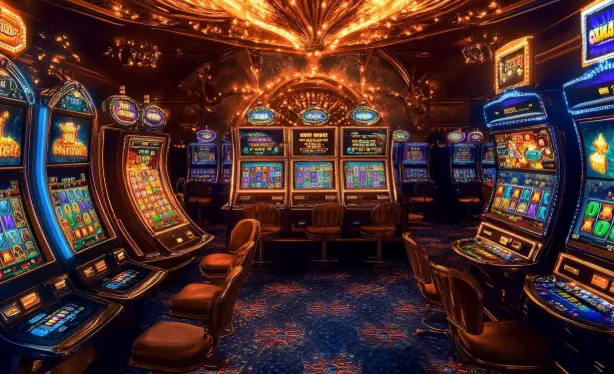
Poland Casino Floor: What Is the Minimum Bet?
The minimum bet on a Poland casino floor is not a courtesy floor — it is a calibrated trap door, and the number printed on the felt is the single most engineered digit in the entire operation. Walk into any licensed land-based venue in Warsaw, Kraków, or the Silesian gambling belt and you will see table minimums ranging from 5 PLN on a battered blackjack shoe to 50 PLN on a live roulette layout, but the real story sits underneath that placard, buried in chip denomination gaps and payout rounding that quietly eat the low-stakes player alive.
The Legal Floor Versus the Operator Floor
Polish gambling law sets the statutory framework, but it does not hand you a universal table minimum — that is a commercial decision made per venue and per pit. The regulatory baseline governs licensing and machine classification, not the number a dealer announces before the first card leaves the shoe. What this means for you is brutal and simple: two casinos three kilometers apart can post wildly different minimum bet limits on identical games, and neither one is breaking a rule. The operator floor is where the real math lives. A 5 PLN blackjack seat sounds generous until you clock the 25 PLN chip as the smallest denomination in the rack — that gap between table minimum and chip floor is pure margin engineering, forcing a player who wants to press a bet to jump five units in one motion.
Roulette, Blackjack, and Poker Minimums Decoded
European roulette inside Polish venues typically floats between 5 PLN and 20 PLN on the outside layout, with straight-up number minimums often set lower to encourage prop action. Blackjack is the stingier game — expect 10 PLN to 50 PLN on a six-deck shoe, and watch for the 6:5 blackjack payout creep on tables that advertise a soft minimum. Poker rooms operate on a completely different axis, quoting blinds and a table stake minimum rather than a flat bet floor. 🎯 The number to memorize is not the table minimum but the effective cost per hour, because a 10 PLN table with a fast dealer and a 2% house edge bleeds you faster than a 25 PLN table run at half speed.

Why the Minimum Is a Psychological Gate
Here is the part the floor managers will never admit. The posted minimum exists to filter the pit and protect the drop. Set the floor too low and you flood the table with tourists who nurse a single stack for two hours, dragging down hands-per-hour and irritating the high-value regulars. Set it too high and the seat sits cold. The sweet spot for most Polish venues lands in a band that keeps the table visibly active without diluting the average wager. 🃏 The Poland casino floor minimum is therefore a behavioral instrument, not a player-friendly gesture, and treating it as anything else is how recreational players end up grinding a losing game with no exit plan.
Electronic Tables and the Hidden Floor
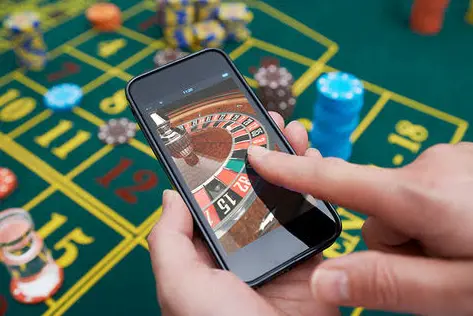
Automated and electronic table terminals scatter the picture entirely. These hybrid units often advertise a minimum as low as 1 PLN, and on paper that looks like the cheapest seat in the house. It is not. The RNG-driven terminal compresses betting rounds, removes the social pacing that slows a live dealer, and multiplies your exposure per hour even though each individual wager is tiny. 💸 A 1 PLN electronic minimum with a two-second round cycle will churn more total handle than a 20 PLN live table every single time. The floor you read is the floor you pay, but the velocity is the real tax, and no placard warns you about it.
The Effective Minimum Calculation
Run this number before you sit down: multiply the table minimum by the average number of decisions per hour, then apply the house edge. A 10 PLN roulette table spinning 60 rounds an hour at a 2.7% edge is a 16.20 PLN expected hourly cost. A 25 PLN blackjack table dealing 80 hands an hour at a 0.5% edge costs roughly 10 PLN. The higher-minimum table is the cheaper seat, and that inversion is exactly what the floor layout is designed to obscure. 🎲 The posted minimum bet is a decoy — the decision velocity and edge structure are the true price of admission, and any player who reads the placard without running the math is already paying the house a premium it did not have to earn.